Sunday, March 11, 2018

Tips For Staying Healthy As A Nurse

-Tamilnadu Private Nurses Association

Nurses are committed to caring for their patients, but unfortunately many struggle to take care of themselves. In fact, Nurses are more likely to be overweight, have higher levels of stress and get less than the recommended hours of sleep. Delivering health care is a stressful role, both physically and mentally. Therefore, it is imperative you take your own health into consideration.
 
According to the Occupational Safety and Health Administration, Nurses and health care workers experience the highest rate of non-fatal occupational injuries and illnesses of anysectors, including construction. As mentioned, both your mental and physical health are important. Here are some tips to help you improve your overall health.

Find a work buddy

In any job, especially Nursing, it’s easier to cope with emotional stress when you have a work buddy to help you through tough shifts. You can vent to your friend, share your frustrations and they understand what you're going through. If you haven’t found your best friend at work yet, don’t worry, you will.

Eat well

Most Nurses work in a fast-paced environment and are often short on time, which can lead to relying on fast food that is high in fat, sodium, sugar, and additives. Look for ways to add more lean proteins, fresh fruits, vegetables and whole grains. Try meal prepping for the week.

Meditate or find a quiet space

Try to find peace for at least 10 minutes in a quiet room or in a quiet place outside with no electronic distractions. Ten minutes of quiet is longer than you think, but you'll feel more refreshed afterwards. Just take a moment to focus on breathing and calming positive thoughts to boost you through draining times.

Sleep
 
You know it's important to get sufficient sleep prior to your shift, but it’s not always easy to get it. Do your best to get your sleep because many bad things happen when you don’t sleep properly. You might overeat, feel unhappy and impatient, your energy levels will slowly deplete, and it’s possible you could make mistakes. For night shift workers who need to sleep during the day, try using ear plugs to drown out noise and face masks to block the light. White noise machines could be helpful too.
 
Exercise
 
Some jobs require you to sit for long periods at a computer, so try standing every hour for a few minutes. Walk up and down a flight of stairs, stretch your legs and find workouts tailored for long shifts.
 
What do you do to stay healthy? We'd love to hear your ideas and tips as they could be helpful to your colleagues. Please comment below!

Contents:

DiversityNursing Blog


health.jpg

FIVE Problems Nurses Face Today

FIVE Problems Nurses Face Today
Here’s an article we’re quite sure you have strong feelings about regarding your work environment. Do you agree or disagree that these problems exist? Are there other issues you experience that we should add to this list? Please make any comments and/or suggestions in our comments section below!

Nursing is a challenging job and issues arise that are out of your control. Some are direct results of communication and interactions amongst Nurses. Below are the 5 biggest problems Nurses face today.

BEING SHORT STAFFED

This can bring professional and personal issues. When a hospital is short-staffed, you’re left with no other option but to take on more shifts, cover for your co-nurses’ absences, and miss out on important life occasions. Your social life can suffer, too.
Short staffing is one of the most common reasons why nurses experience burnout. Nursing is already a stressful job and not having enough time to relax and care for yourself can make you feel more frustrated and unsatisfied with your job.

LONG SHIFTS

Nurses are often required to work more long hours. It can be due to the hospital being short-staffed or management cutting costs. Whichever the reason, Nurses, working longer than they're supposed to, is detrimental. It can affect the quality of care they deliver, and it can also put their health at risk.
When Nurses work extended hours, they aren't resting properly and aren't letting their bodies recover. for example, many Nurses who take extended shifts suffer from chronic back, leg and shoulder pain. Some of them even develop long-term medical conditions, like diabetes and cardiovascular issues.
By not being well-rested, you can suffer from daytime sleepiness, fatigue, and impaired mental function. It can affect your ability to make proper decisions, which can compromise your patients’ safety.

SALARY

The compensations Nurses receive depend on many factors. Aside from specialty, their place of work tends to affect the salary they get, as well. Having a higher degree counts as well. Salary is a common reason why Nurses leave a hospital.

DISCRIMINATION

Nurses eating their young isn’t an entirely new thing. In fact, this has been around for ages.
Being a new Nurse is intimidating and you have to adjust to many new things. Apart from the skills you have to gain, you also have to learn how to cope with how the Nursing system in your hospital works.
Unfortunately, not all veteran Nurses are that welcoming. These attitudes tend to dull the enthusiasm of new Nurses enough to make them question themselves if they made the right career choice. You are all on the same team, strengthen your team by welcoming new Nurses and being a little more patient with them.

JOB HAZARDS

Working in the hospital puts nurses in a lot of work hazards. Take, for example, being exposed to infected body fluids. Apart from that, lifting patients of all sizes can also put your safety at risk. Nurses also have to deal with sharps and needles and running on slippery floors during emergencies.
Nursing can be difficult and we appreciate everything they deal with. 
If you have anything to add please comment below!
nursing-student-studying.jpg

Saturday, March 10, 2018

Each individual must take note of the three 1/2 minutes.*

*Dear All:  Please note this as it's very important for all.  Shared by a doctor: For those who get up at night from sleep to urinate or early in the morning.*

*Each individual must take note of the three 1/2 minutes.*

*Why is it important? Three 1/2 minutes will greatly reduce the number of sudden deaths.*

*Often this occurs: a person who still looks healthy has died in the night.*

*Often we hear stories of people who say, "Yesterday, I was chatting with him. Why did he suddenly die?*

*The reason is that when you wake up at night to go to the bathroom, it is often done in a rush.*

*Immediately we stand, and the brain lacks blood flow.*

*Why are "Three 1/2 minutes" very important?*
*In the middle of the night, when you are awakened by the urge to urinate for example, the ECG pattern can change.*

*Because in getting up suddenly, the brain will be anaemic and causes heart failure due to lack of blood.*

*You are advised to practice the "Three 1/2 minutes," which are:*

*1. When waking from sleep, lie in bed for the 1st 1/2 minute;*

*2. Sit in bed for the next 1/2 minute;*

*3. Lower your legs, sitting on the edge of the bed for the last half-minute.*

*After three 1/2 minutes, you will not have anaemic brain and heart will not fail, reducing the possibility of a fall and sudden death.*

*Share with family, friends & loved ones.*

*It can occur regardless of age; young or old.*

*Sharing is Caring. If you already know, regard this as a refresher."*

Please try to forward this important Health tip to all your groups, and you/your family also should follow it.
Tamilnadu Private Nurses Association

Tamil Nadu government fixes minimum wages for private nurses


Tamil Nadu government fixes minimum wages for private nurses.......

09th March 2018 

CHENNAI: The labour department has fixed the minimum basic pay that private hospitals must pay its nurses following a SC  order last year.The department has on March 3 issued a GO and the notification was published in the gazette on Wednesday. However, pay levels fixed by the order is much lower than what SC recommended.
Private nursing homes and hospitals with 25 or lesser beds must now pay a minimum basic of Rs 15,824 to nurses. For other category hospitals, the basic pay are as follows: for 26 to 50-bed  hospitals, Rs 15,874; for 51 to 100-bed hospitals, Rs 15,924; for 101 to 150-bed hospitals, Rs 15,974; for 151 to 200-bed hospitals, Rs 16,024; and for hospitals with more than 200 beds, Rs 16,124. The Apex Court in its order last year had recommended a minimum basic pay of Rs 20,000 for nurses in hospitals with less than 50 beds. Also, for hospitals with 50 to 100 beds, the court had said the pay must be 75 percent of what nurses in government hospitals get.
The order was implemented in Kerala after a massive protest. Following this, various nurses associations staged protests across TN.Subsequently, the Government constituted a committee under Deputy Commissioner of Labour for revision of minimum wages. The panel, after conducting various meetings with the employers and employees, submitted a report to the Commissioner of Labour. The report was sent to the government along with the recommendations. After acceptance, the Minimum Wages Act, 1948 was amended.
A Raj, secretary, Global Nurses Association said, earlier we were getting Rs 6,000 as basic salary in most hospitals. Now, though, it was higher than that, its still lesser than recommendations. “Don’t know what were the considerations taken while studying. We will decide on our next step later,” he said.
Tamilnadu Private Nurses Association

Friday, March 9, 2018

செவிலியர்களின் உழைப்பை சுரண்டாதே! குறைந்தபட்சம் ரூ 20000/- வழங்க வேண்டும்! கோரிக்கை வைக்கும் MP!


09/03/2018 12:29:07 
தமிழக அரசு நிர்ணயித்துள்ள  ஊதிய விகிதம் உச்சநீதிமன்றத்தால் பரிந்துரைக்கப்பட்ட ஊதியத்தை விட மிகவும் குறைவாக உள்ளது. குறைந்தபட்ச மாத ஊதியமாக ரூ.20,000 வழங்கப்பட வேண்டும் என பா.ம.க. இளைஞரணித்தலைவர் அன்புமணி ராமதாஸ் இன்று வெளியிட்ட அறிக்கையானது,
உச்சநீதிமன்றத் தீர்ப்பின்படி, தமிழகத்தில் தனியார் மருத்துவமனைகளில் பணியாற்றும் செவிலியர்களுக்கு குறைந்தபட்ச ஊதியமாக ரூ.15,824 நிர்ணயித்து தமிழக அரசின் தொழிலாளர் நலத்துறை அரசாணை வெளியிட்டுள்ளது. இது வரவேற்கத்தக்க நடவடிக்கை என்றாலும் கூட, தமிழக அரசு நிர்ணயித்துள்ள  ஊதிய விகிதம் உச்சநீதிமன்றத்தால் பரிந்துரைக்கப்பட்ட ஊதியத்தை விட மிகவும் குறைவாக உள்ளது.இது  செவிலியர்களின் மிகப்பெரிய அளவில் உதவியாக இருக்கும் என்பதில் எந்த மாற்றுக்கருத்தும் இல்லை.ஆனால், இது மத்திய அரசால் பரிந்துரைக்கப்பட்ட ஊதியத்தை விட குறைவாகும். செவிலியர் ஊதியம் குறித்த வழக்கை விசாரித்த உச்சநீதிமன்றம், அவர்களின் வாழ்க்கை நிலை குறித்து ஆய்வு செய்யவும், அவர்களுக்கான ஊதிய விகிதங்கள் குறித்து பரிந்துரைக்கவும் வல்லுனர் குழு அமைக்கும்படி மத்திய அரசுக்கு ஆணையிட்டது.  அதன்படி அரசு அமைத்த வல்லுனர் குழு 50 படுக்கைகளுக்கு குறைவாக உள்ள மருத்துவமனைகளில் பணியாற்றும் செவிலியர்களுக்கு குறைந்தபட்ச மாத ஊதியமாக ரூ.20,000 வழங்கப்பட வேண்டும். 50 முதல் 100 படுக்கை வரை உள்ள மருத்துவமனைகளின் செவிலியர்களுக்கு அரசு செவிலியருக்கு வழங்கப்படும் ஊதியத்தில் 25% குறைவாகவும், 100 படுக்கைகளுக்கு மேல் உள்ள மருத்துவமனை செவிலியர்களுக்கு 10% குறைவாகவும், 200 படுக்கைகளுக்கு மேல் உள்ள மருத்துவமனைகளின் செவிலியர்களுக்கு அரசு ஊதியத்துக்கு இணையான ஊதியமும் வழங்கப்பட வேண்டும் என பரிந்துரை செய்திருந்தது. இதை ஏற்றுக் கொண்ட மத்திய அரசு, இந்த பரிந்துரையை நிறைவேற்றும்படி மாநில அரசுகளுக்கு 2016-&ஆம் ஆண்டு செப்டம்பரில் மத்திய அரசு ஆணையிட்டிருந்தது.
ஆனால், அனைத்து நிலைகளிலுமே உச்சநீதிமன்ற ஆணைப்படி மத்திய அரசு பரிந்துரைத்த ஊதியத்தை விட மாநில அரசு நிர்ணயித்துள்ள ஊதியம் மிகவும் குறைவாக உள்ளது. மத்திய அரசின் பரிந்துரையை விட குறைந்தபட்சம் 21 விழுக்காடு முதல் அதிகபட்சமாக 50% வரை ஊதிய விதிதம் குறைவாக நிர்ணயிக்கப்பட்டிருக்கிறது. அறப்போராட்டங்களின் மூலமாகவும், சட்டப்போராட்டங்களின் மூலமாகவும் செவிலியர்கள் போராடிப் பெற்ற இவ்வுரிமையை தனியார் மருத்துவமனைகளுக்கு சாதகமாக தமிழக அரசு சிதைத்து விடக் கூடாது.
 மருத்துவ சேவைத் துறையில் செவிலியர்களின் பணி மகத்தானது ஆகும். நோயாளிகளை கனிவுடன் கவனித்துக் கொள்வதில் தொடங்கி, அவர்களின் சொந்த சோகங்களை மறைத்து புன்னகையுடன் பணி செய்வது வரை அவர்களின் தியாகங்கள் அளவிட முடியாதவையாகும்.  அதற்கேற்றவாறு அவர்களுக்கு ஊதியம் வழங்கப்பட வேண்டுமே தவிர, உழைப்பை சுரண்டக்கூடாது.
எனவே, மத்திய அரசு பரிந்துரைத்தவாறு செவிலியர்களுக்கு குறைந்தபட்ச ஊதியமாக ரூ.20,000 வழங்க வேண்டும். 200 படுக்கைகளுக்கு மேல் உள்ள மருத்துவமனைகளின் செவிலியர்களுக்கு அரசு ஊதியத்துக்கு இணையான ஊதியமும் வழங்கப்பட வேண்டும். இதற்கேற்றவாறு அரசாணையில் திருத்தம் செய்வதுடன், அது முழுமையாக செயல்படுத்தப்படுவதையும் அரசு உறுதி செய்ய வேண்டும்.

செவிலியர்களின் மீதான உழைப்புச் சுரண்டல்கள் தனியார் துறையில் மட்டுமின்றி, அரசுத்துறையிலும்  ஒழிக்கப்பட வேண்டும். தனியார் துறையில் செவிலியர்களின் உழைப்பு ரூ.6000 ஊதியம் கொடுத்து சுரண்டப்பட்டால், அரசு மருத்துவமனைகளின் ரூ.7000 கொடுத்து சுரண்டப்படுகிறது. இதற்கும் முடிவு காணும் வகையில் அரசுத்துறையில் பணியாற்றும் ஒப்பந்த  செவிலியர்கள் அனைவரையும் பணி நிலைப்பு செய்து அவர்களுக்கு காலமுறை ஊதியம் வழங்க தமிழக அரசு நடவடிக்கை மேற்கொள்ள வேண்டும் என அவரது அறிக்கையில் கூறப்பட்டுள்ளது.


Thanks To செய்தி புனல்

Thursday, March 8, 2018

Celebrating our nurses on International Women’s Day

Celebrating our nurses on International Women’s Day

In honour of International Women’s Day  , we look back at the 1930s female-led Marie Curie Hospital and the legacy of care and support from our nursing staff of all genders.
Every year on 8 March, people across the world celebrate the achievements of women and pledge to take action for gender equality. On this day, we are particularly proud that our charity is named for the first woman to win a Nobel Prize and that her discoveries have saved millions of lives.
Our nurses and hospices provide care and support to people living with terminal illness, regardless of gender. But our origins lie in a hospital run for women, by women.

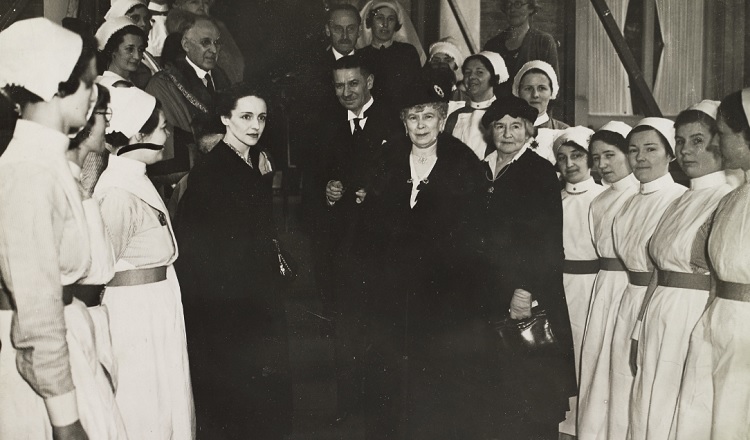
HM Queen Mary meet female medical staff of the Marie Curie Hospital in 1937
HM Queen Mary and Eve Curie meet female staff of the Marie Curie Hospital in 1937. Credit: Wellcome Library, London (cc)

A hospital opens in Hampstead

In 1930, following a public funding appeal, a London building was converted into a 30-bed hospital to be staffed entirely by women. As the focus was on the radiological treatment of women suffering from cancer, Madame Curie took an interest and allowed her name to be used.
The Marie Curie Hospital had facilities for radium and X-ray therapy, as well as research laboratories, and treated hundreds of women each year. An out-patients department was opened in the cellar to enable follow-up care and the building was extended to cope with increasing demand.
Unfortunately, most of the hospital was destroyed by bombing in 1944.

Rising from the rubble

Following the war, plans were made to rebuild the hospital and keep the name of Marie Curie alive in the medical field. Her daughter Eve gave permission for the Marie Curie International Memorial Foundation, which was established in 1948.
Thanks to a fundraising appeal, the first Marie Curie Home for cancer patients was opened in 1952, based in an old National Trust property in Fife. From its earliest days, the foundation helped patients who needed care at home and by the end of the 1950s, Marie Curie home nursing was available in nine UK areas.

A legacy of nursing care

Today, Marie Curie provides care and support for over 40,000 women and men each year who are living with any terminal illness. This wouldn’t be possible without the pioneering medical women of the Marie Curie Hospital, the support of a trailblazing female scientist, and generations of Marie Curie Nurses and supporters of all genders.
Want to achieve something special for International Women’s Day? Help us continue to support people living with terminal illness, and their families

Featured

Request to withdraw temporary/contractual appointment of nurses and ensure permanent employment for eligible nurses

DEAR NURSES  PLEASE VIEW & COPY THE CONTENT BELOW 👉👉👉👉 CLICK TO VIEW  👈👈👈👈👈 COPY THE CONTENT  AND SEND TO    cmcell@tn.gov.in  ...